Making Small Products Easier to Browse Without Slowing Customers Down
Small items are some of the hardest to display properly. They’re easy to stock, but harder to present in a way that actually gets attention. When they’re dumped into bins or packed onto shelves, customers don’t spend time digging through them — they just move on.
If you want smaller products to sell, they need to be visible and easy to scan.
Stop Relying on Flat Surfaces
Tables and shelves work for larger items, but they’re not ideal for smaller pieces. Everything ends up sitting on the same plane, which makes it harder to distinguish one item from another.
Customers don’t want to sort through a pile. They want to glance, spot something interesting, and decide quickly. If that first step is too much effort, the sale doesn’t happen.
Vertical Displays Make Scanning Faster
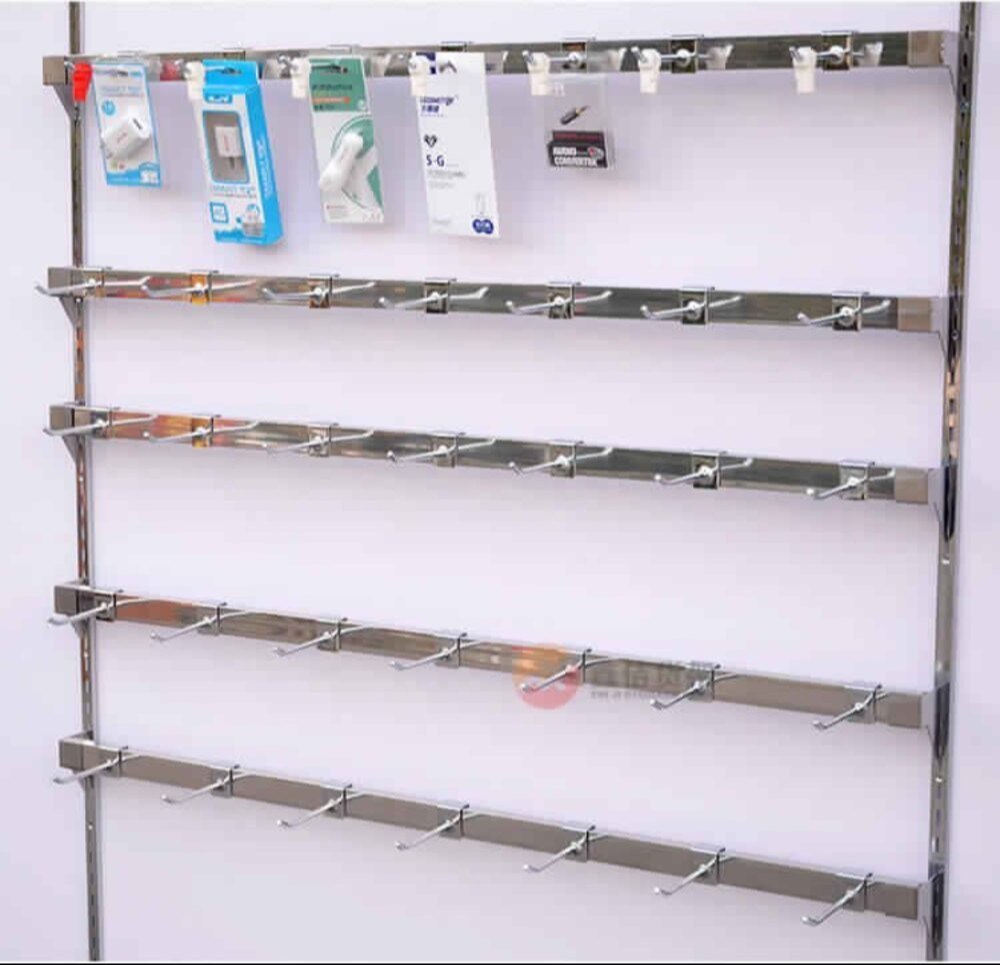
When items are displayed vertically, it changes how customers interact with them. Instead of looking down and searching, they can stand back and scan multiple products at once.
This is where a retail hanging metal display comes in. It keeps items separated, visible, and easy to access without taking up much floor space. Each product has its own position, which makes comparison quicker and more natural.
You’ll see this work well with things like accessories, packaged goods, or lightweight add-ons — anything that benefits from being spaced out rather than stacked.
Keep Grouping Logical
Even with better visibility, grouping still matters.
Don’t mix unrelated items just to fill space. Keep similar products together so customers can quickly understand what they’re looking at. If they have to figure out the category first, you’ve already slowed them down.
Clear grouping leads to faster decisions.
Don’t Overload the Display
It’s tempting to use every hook or slot available, but more items doesn’t always mean more sales.
Once a display gets too full, it loses clarity. Customers stop scanning and treat it like background. Leaving some space between items makes each one easier to notice.
Think of it as spacing for visibility, not wasted capacity.
Position It Where People Pause
Hanging displays work best in areas where customers naturally slow down:
- near checkout
- at the end of aisles
- between main sections
These are spots where people are more likely to browse casually. If the display is easy to scan, they’ll engage without feeling like they need to commit time.
Make It Easy to Maintain
Small items get messy quickly. Customers pick things up, move them around, or put them back in the wrong place.
If your display is too complicated, it won’t stay organized. Staff should be able to reset it in seconds — straighten items, rehang anything misplaced, and move on.
Simple setups hold up better during busy hours.
Keep It Moving
Like any display, it needs to change.
If the same items sit there too long, regular customers stop noticing them. Rotate products in and out, test different groupings, and adjust placement based on what gets attention.
You don’t need a full overhaul — just enough change to keep it active.
What This Solves
When small products are easy to see and easy to browse, they start selling on their own.
You’re not relying on staff to point things out or customers to dig through clutter. The display does the work — quietly, but effectively.
